
How Summer Storms Disrupt Your Pool’s Balance—and Steps to Restore Clear, Safe Water
Summer storms can roll in with a dramatic display, but they often leave behind a less-than-glamorous mess in your swimming pool. That once-sparkling blue water can look cloudy, green, and full of debris. For anyone who owns a backyard oasis or manages a commercial swimming facility, seeing the effects of heavy rainfall on a pool…
Need help with your pool?
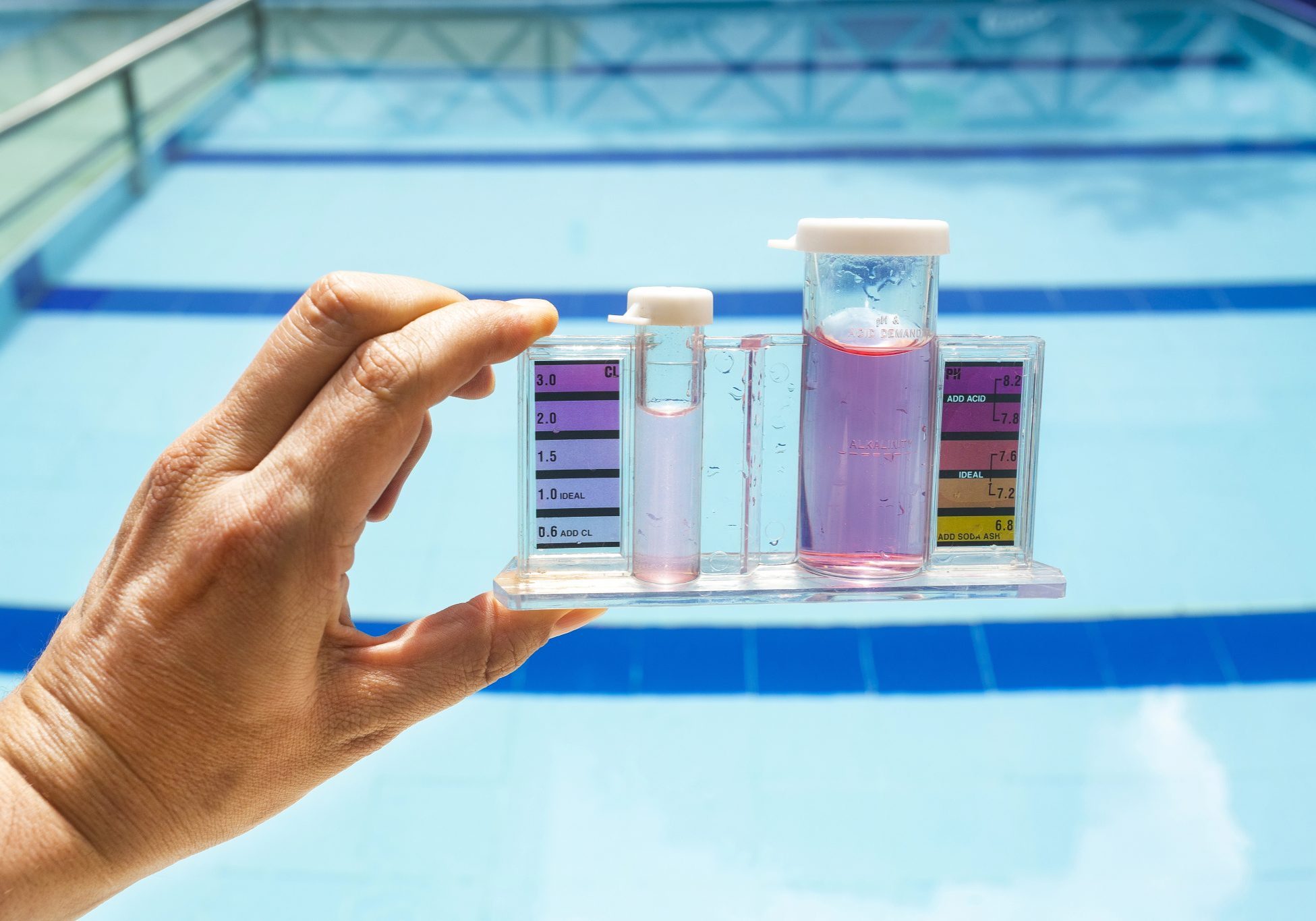
Table of Contents
Related Posts
Summer storms can roll in with a dramatic display, but they often leave behind a less-than-glamorous mess in your swimming pool. That once-sparkling blue water can look cloudy, green, and full of debris. For anyone who owns a backyard oasis or manages a commercial swimming facility, seeing the effects of heavy rainfall on a pool can be disheartening. But don’t worry. Understanding how storms impact pool chemistry is the first step toward a quick fix. This guide will walk you through why your pool looks the way it does after a storm and give you simple, clear steps to restore its balance and beauty.
How Summer Storms Affect Your Pool: The Big Picture
When a summer storm hits, it does more than just top off your pool. It introduces a trio of troublemakers: dilution, debris, and contamination. Grasping these core issues helps you understand the strange transformation of your pool and respond effectively. The combination of these factors is what makes summer storms and pools such a challenging duo, affecting everything from the water’s appearance to its safety.
Dilution Is Not the Solution
You might think, “Great, free water!” But rainwater is not the same as the water in your pool. It’s naturally acidic and contains no chlorine or other sanitizers. As it pours into your pool, it dilutes the carefully balanced chemicals you work so hard to maintain. This dilution is one of the most significant heavy rainfall pool effects. Your chlorine levels drop, leaving the water vulnerable. At the same time, the pH level can fall, making the water acidic. Acidic water doesn’t just sting your eyes; it can slowly corrode your pool’s surfaces, ladders, and equipment. This is a fundamental way how storms impact pool chemistry, setting the stage for bigger problems if left unaddressed.
Debris and Unwanted Guests
Along with the rain comes wind, which happily throws leaves, twigs, dirt, and other organic matter into your pool. Then there’s the runoff. Water washing across your deck, lawn, or patio carries with it a cocktail of contaminants. Think about it: dirt, mulch, fertilizers, and other pollutants all get a free ride into your pool. This is what’s known as stormwater contamination pools, and it’s a recipe for cloudy, murky water. This debris doesn’t just look bad; it provides a feast for algae and bacteria. It also gives your pool’s filtration system a serious workout, clogging skimmer baskets and putting a strain on the pump. For both residential pool care tips and commercial pool maintenance, managing this influx of debris is a top priority after a storm.
Now that you see the full picture of what a storm does to your pool, let’s zero in on the specific problems that arise from this chemical and physical disruption.
Key Problems Storms Cause for Your Pool
Once the rain stops and you step outside to survey the situation, you’ll likely notice a few key issues. These problems are more than just cosmetic—they are signs that your pool’s health is compromised. Addressing them quickly is essential for a fast pool storm recovery.
The Vanishing Act of Your Sanitizer
The most immediate chemical issue after a storm is a sudden drop in your free chlorine levels. Rainwater dilutes it, and the debris and contaminants consume it. Chlorine’s job is to attack and neutralize organic matter, so when a storm dumps a massive amount of leaves, dirt, and algae spores into the water, the existing chlorine gets used up very quickly. This creates a significant chlorine and pH imbalance. Without enough sanitizer, your pool becomes a breeding ground for bacteria and other unwelcome microorganisms. It’s why perfectly clear water can turn cloudy or green almost overnight.
When Your Pool Turns Green and Grimy
Cloudy water is often the first thing pool owners notice. This murkiness is caused by a combination of fine debris suspended in the water and the beginning of an algae bloom. Algae spores are everywhere, just waiting for the right conditions to multiply. A storm provides the perfect opportunity: diluted chlorine, plenty of organic material to feed on, and warm summer temperatures. If you don’t act fast, that cloudy water can quickly develop a green, yellow, or even black tint, signaling a full-blown algae invasion that is much harder to defeat.
With the water chemistry out of whack and debris floating everywhere, it’s time to take action. Let’s walk through the first practical steps you should take to reclaim your pool.
Simple First Steps After Any Storm: An Owner’s Checklist
Feeling overwhelmed by the mess? Just follow a simple, methodical process. A clear checklist will guide you through the essential actions to safely and effectively restore your pool. Before you do anything else, though, a quick safety reminder: turn off all power to the pool equipment at the breaker. Working around water and electricity is never a good mix, especially after a storm.
- Skim, Scoop, and Clear: Your first job is to get all the big stuff out. Use a heavy-duty leaf rake or skimmer net to remove leaves, branches, and any other large debris from the surface and floor of the pool. This is a crucial first step because the less organic material in the water, the less work your chemicals and filter have to do. Don’t forget to check and empty your skimmer and pump baskets. They likely took a beating during the storm and are probably full.
- Check and Adjust the Water Level: Heavy rainfall can raise your pool’s water level significantly. If it’s too high—above the midpoint of the skimmer opening—your skimmer won’t be able to work properly to clear surface debris. You’ll need to drain some water. Most sand and D.E. filters have a “waste” setting that allows you to pump water out of the pool. Lower the level back to normal. If, by some chance, your water level is low, top it off with a hose.
- Let Your Filter Do the Heavy Lifting: Once the big debris is gone and the water level is correct, it’s time to get the circulation system running. Turn the power back on and run your pool pump continuously. You may need to let it run for 24 hours or even longer to help filter out all the fine particles that are making the water cloudy. Keep an eye on the filter pressure. With all the extra gunk it’s catching, you may need to backwash or clean the filter more frequently than usual.
After you’ve handled the physical cleanup, the next and most important step is to figure out what the storm did to your water chemistry.
Restoring Chemical Balance: What to Test and Adjust
Getting your pool water balance after rain is the most critical part of the recovery process. This is where you undo the chemical chaos the storm created. Don’t just start dumping chemicals in; a thoughtful, step-by-step approach will save you time and money and get you back to swimming sooner.
Your Post-Storm Testing Trio: Chlorine, pH, and Alkalinity
Proper pool water testing after storms is non-negotiable. You need to know your starting point. Grab your test kit and check for three key values: free chlorine, pH, and total alkalinity. Chances are, all three will be low. Chlorine is diluted and used up, pH is lowered by the acidic rain, and alkalinity, which helps stabilize pH, will have dropped as well.
The Role of Shock Treatment
With low chlorine and a high load of contaminants, your first chemical step should almost always be to shock the pool. Shocking is the process of adding a large dose of chlorine to the water to break down contaminants, kill algae and bacteria, and re-establish a healthy sanitizer level. This powerful treatment is essential for a successful pool storm recovery. Be sure to follow the manufacturer’s instructions on the product label for the correct dosage based on your pool’s size. It’s best to shock the pool at dusk, as sunlight can burn off the chlorine before it has a chance to do its job.
The Balancing Act: Alkalinity Before pH
After the shock has circulated for several hours (or overnight), test the water again. Now, it’s time to fix the chlorine and pH imbalance. Always adjust the total alkalinity first. Think of alkalinity as the anchor for your pH; if your alkalinity is unstable, your pH will drift all over the place. Add an alkalinity increaser as needed, and let the water circulate for a few hours before retesting. Once your alkalinity is in the proper range (typically 80–120 ppm), you can adjust the pH. If it’s still low, use a pH increaser to bring it into the ideal range (7.4–7.6). Resist the temptation to add multiple chemicals at once. Patience is key.
Of course, an ounce of prevention is worth a pound of cure. Let’s look at a few things you can do to make the next storm less of a headache.
Preventing Storm Damage: Proactive Pool Care Tips
While you can’t stop the weather, you can take some simple steps to minimize its impact on your pool. A little proactive care goes a long way in protecting your equipment and making cleanup easier.
One of the best residential pool care tips is to perform some strategic landscaping. Regularly trim trees and shrubs around your pool area to reduce the amount of leaves and branches that can be blown into the water. It’s also a good idea to secure patio furniture, umbrellas, and pool toys before a big storm arrives so they don’t end up in the pool or cause damage.
For commercial pool maintenance, having a pre-storm protocol is essential. This includes having extra chemicals and testing supplies on hand during the storm season for a quick response. You can also protect valuable equipment, like pumps and heaters, by covering them with a waterproof tarp. If a major storm is in the forecast, adding a preventative dose of algaecide can give your pool a head start in fighting off potential blooms. Consistent routine maintenance, like regular testing and balancing, ensures your pool is in a strong position to handle the effects of heavy rain.
But what if you’ve done everything right and the water still won’t clear up? Sometimes, you need to call in the experts.
When to Get Help: Signs You Need a Pool Professional
There’s no shame in knowing your limits. Sometimes, a storm creates problems that are too big or too stubborn for a DIY approach. Recognizing when to call a professional can save you from frustration and ensure your pool is truly safe.
If you’ve followed all the recovery steps—skimming, filtering, shocking, and balancing—but the water remains cloudy or green after a few days, it’s time to get help. Persistent issues often point to an underlying problem that a professional can diagnose. Similarly, if you can’t get your chemical levels to stabilize, a pool technician can identify what’s causing the imbalance.
Any signs of equipment damage are a clear signal to call for service. If your pump is making strange noises, not turning on, or seems to be leaking, don’t try to fix it yourself. An expert can inspect the system safely and prevent further damage. For commercial pools, the decision to call for help should be made even sooner due to public health standards. When in doubt, always consult a professional.
Keep Your Pool Sparkling All Summer
A battle between summer storms and pools is inevitable, but it’s one you can win. By understanding how heavy rain disrupts your pool’s delicate balance and following a clear recovery plan, you can manage the aftermath with confidence. From the initial cleanup to careful chemical adjustments, these steps will help you restore clear, safe water quickly. Remember to be proactive when you can and to tackle any issues right after a storm passes. A little effort ensures your pool remains a source of joy all season long. And if the job feels too big, a trusted pool professional is always ready to lend a hand.