
A Day in the Life of a Pool Technician: What Pool Owners Should Know
Have you ever wondered what goes into keeping your pool sparkling and safe? Behind every clean and inviting pool is a dedicated professional. This article gives you an inside look into a day in the life of a pool technician. You’ll see the challenges they face and understand the careful work they perform to maintain…
Need help with your pool?
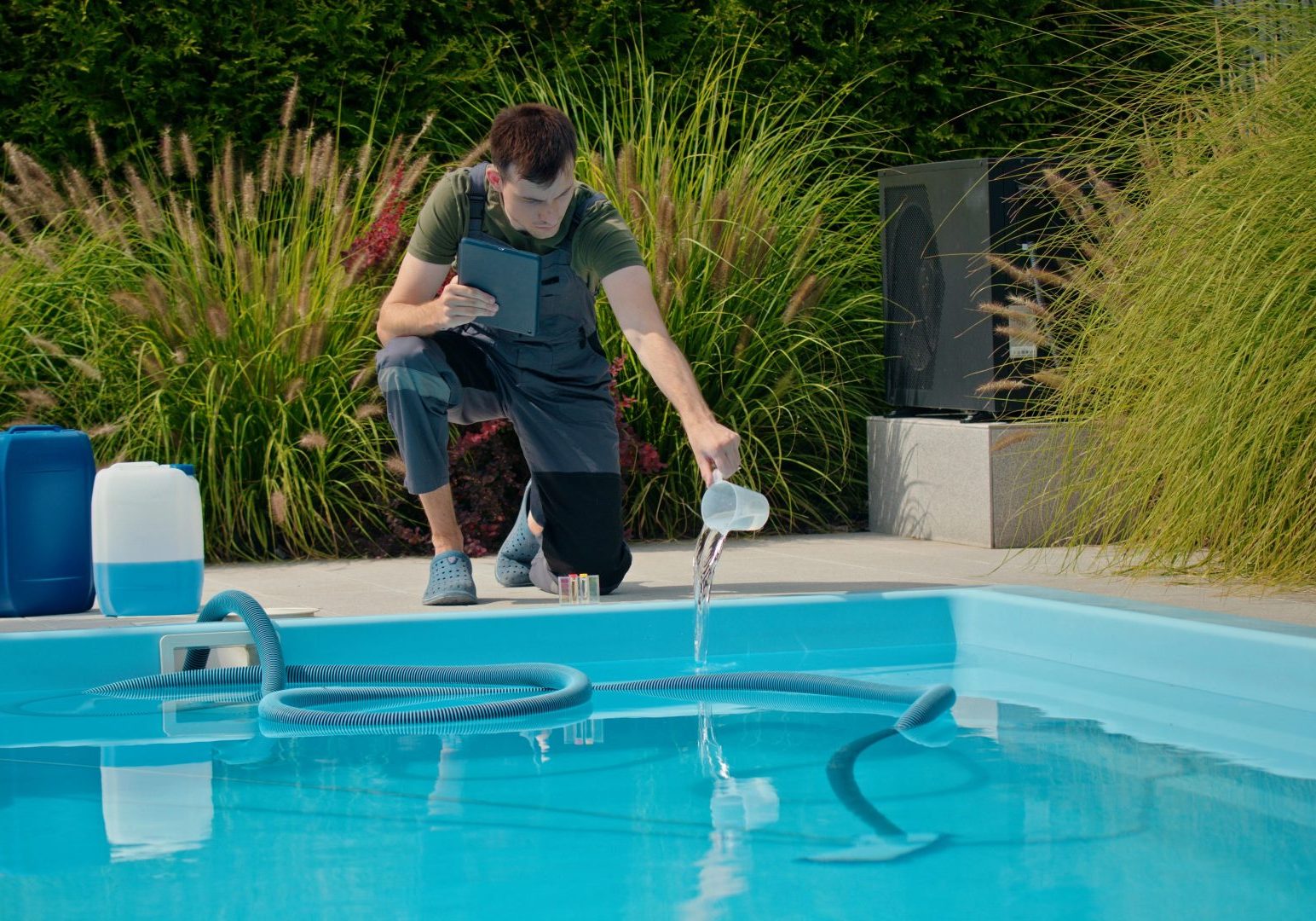
Table of Contents
Related Posts
Have you ever wondered what goes into keeping your pool sparkling and safe? Behind every clean and inviting pool is a dedicated professional. This article gives you an inside look into a day in the life of a pool technician. You’ll see the challenges they face and understand the careful work they perform to maintain your pool. For both residential and commercial pool owners, learning about their process can build trust and show the real value of professional pool services. This is a behind-the-scenes look at the people who care for your important aquatic space.
Understanding the Pool Technician’s Role
A pool technician does more than just skim leaves off the water. They are the guardians of your pool’s health, ensuring it remains a safe and enjoyable place for everyone. Their work is fundamental for the health and safety of anyone who dips a toe in the water. But what does that really mean? It’s a role that shifts depending on the setting.
More Than Just a “Pool Guy”
For a residential pool service, the focus is on creating a secure environment for your family and friends. The technician becomes a trusted part of your home’s upkeep, someone you rely on to protect your loved ones from contaminated water or malfunctioning equipment. They are responsible for water safety, which is a serious job.
When it comes to commercial pool care for places like community centers, hotels, or apartment complexes, the stakes are even higher. Here, the technician must meet strict public health standards and regulations. A commercial pool that isn’t properly maintained can affect dozens or even hundreds of people, leading to health issues and potential legal problems for the property owner. A professional technician understands the science of water chemistry and the mechanics of complex filtration systems. They aren’t just cleaning; they are managing a delicate ecosystem. This is why many people seek out professional pool services—they need an expert who can handle that responsibility.
The Skills Behind the Sparkle
What makes a good pool technician? It’s a mix of specific skills and personal qualities. A reliable technician has a sharp eye for detail, noticing the little things that might signal a bigger problem down the road. They are natural problem-solvers, ready to figure out why a pump is making a strange noise or why the water chemistry is suddenly off. They also need a solid understanding of water science. It’s not about randomly pouring in chemicals; it’s about knowing how different elements interact and how to create a perfect balance.
Great technicians are also adaptable. They have to adjust their approach for all kinds of pools, from modern saltwater systems to traditional chlorine pools, and from small backyard spas to massive community aquatic centers. Many homeowners and property managers look for a certified pool technician. While not always required, proper certification and ongoing training show a real commitment to the craft and a promise to stay current on the best practices in the field.
With a clear picture of what the role demands, let’s look at how their day actually begins.
Morning Routine: Preparing for the Day
A pool technician’s day starts long before they pull up to your curb. The morning is a critical time for preparation, setting the stage for a day of smooth and effective work. This early routine is all about getting organized so they can tackle any situation they might face.
The Pre-Dawn Checklist
Before the sun is even fully up, the day’s work has begun. It starts with a methodical check of the truck and all the pool cleaning equipment. Technicians take stock of their essential tools and supplies, making sure they have a full complement of chemicals, accurate testing kits, sturdy nets, and the right brushes for the jobs ahead. Is there enough muriatic acid for a pool with high pH? Do they have the specific O-ring needed for a known filter type on the schedule? Running out of a key chemical or a tool mid-service isn’t an option, so this inventory check is non-negotiable.
This preparation is a core part of the daily pool service routine. They also give their equipment a quick once-over. Are the vacuum hoses free of cracks? Does the portable pump start up correctly? This careful prep work ensures that when they arrive on site, they have all the necessary pool technician tools to care for your pool without any delays.
Planning for People and Pools
Once the truck is loaded, the focus shifts to the route and the customers. Planning is a huge part of the job. Technicians map out the most logical path between appointments to be as efficient as possible with their time. Nobody wants a technician to show up late because they were zigzagging across town.
But it’s not just about geography. Before heading out, a technician often reviews the notes for each client. They might check for any recent concerns the pool owner mentioned or reminders about a tricky gate lock or a family dog that needs to be kept inside. Many will send a quick text to confirm their arrival time, a small touch that customers appreciate. This communication is a key part of pool maintenance preparation. It helps build a relationship and ensures that once they’re on your property, the focus can be entirely on getting your pool into perfect shape.
With the day planned and the truck ready, it’s time to hit the road for the first appointment.
On-Site Tasks: A Step-by-Step Look
When a pool technician arrives for a service visit, they move with a practiced rhythm, following a systematic process to give your pool the complete care it needs. Each step has a purpose, designed to ensure the water is not only clear but also healthy and safe. Here’s a look at what happens during a typical visit.
- The Initial Assessment: The first thing a technician does is walk the perimeter of the pool. They’re not just admiring the view. They are using their trained eye to look for anything out of the ordinary. Is the water level too low? Is there any visible algae starting to form? Is the equipment making any unusual noises? This initial check gives them a quick snapshot of the pool’s current state and helps them anticipate any specific needs for the day’s service.
- Water Chemistry is King: Next comes the most scientific part of the visit: pool water testing. Using a professional test kit, the technician checks the levels of pH, chlorine (or other sanitizers), alkalinity, and calcium hardness. Think of it as a health check-up for your water. These readings tell them exactly what’s going on beneath the surface. Based on the results, they carefully add the right chemicals in the correct amounts to balance the water. This isn’t guesswork. Proper water chemistry is the foundation of water safety, preventing bacteria and protecting your pool’s surfaces from damage.
- The Cleaning Ritual: With the water chemistry addressed, the physical cleaning begins. The technician will empty the skimmer and pump baskets, which act as the first line of defense, catching leaves, twigs, and other large debris. Then, they’ll brush the pool’s walls, steps, and benches. This is a crucial step that prevents algae and biofilm from getting a foothold. Finally, they’ll vacuum the pool floor to suck up any dirt and sediment that has settled. This complete pool cleaning process leaves your pool looking pristine.
- The Equipment Health Check: A technician’s work isn’t done after the pool is clean. The final and perhaps most important step is an equipment inspection. They will look at the pump, filter, and heater to confirm everything is working as it should. They’ll check the filter’s pressure gauge, listen for strange sounds from the pump motor, and look for any small leaks. This proactive check is vital for troubleshooting pool problems before they become big, expensive headaches. Finding a small leak early can save you from a major repair bill and a week of downtime in the summer.
This thorough routine is the core of great pool maintenance, but the day isn’t always so straightforward.
Challenges Pool Technicians Face
A pool technician’s job looks peaceful from a distance, but it comes with a unique set of daily challenges that demand quick thinking, adaptability, and a lot of patience. It’s a role that requires more than just technical skill; it requires the ability to handle the unexpected.
Battling Mother Nature
Weather and pool care are in a constant dance. A technician’s carefully laid plans can be turned upside down by Mother Nature. A sudden, heavy rainstorm can dilute the pool’s chemicals in minutes, throwing the water balance completely off. On the other end of the spectrum, a week of intense sun and heat can cause chlorine to break down much faster than usual, leaving the pool vulnerable to algae blooms. A good technician doesn’t just react to the weather; they anticipate it. They might adjust a pool’s chemistry in the morning knowing a storm is forecast for the afternoon or add a stabilizer to help chlorine last longer during a heatwave.
The Unexpected Surprises
Perhaps the biggest challenge is dealing with unexpected pool repairs. A technician might show up for a routine cleaning only to find a pool that has turned green overnight or a pump that has completely died. This is where a technician’s problem-solving skills are truly tested. They have to switch gears from maintenance to diagnostics, figuring out the root cause of the issue. Is the green water due to a filter problem, a chemical imbalance, or both? Why did the pump fail? This requires a deep knowledge of pool systems to diagnose the problem accurately and then explain the situation and the necessary next steps to the homeowner in a clear, calm way.
The Human Factor
Beyond the technical and environmental challenges, there’s the human element. Managing a busy schedule while making sure every single pool gets the attention it deserves is a constant balancing act. Sometimes, simple logistical issues can cause delays. A customer might forget to unlock a gate, or an aggressive dog might prevent the technician from safely entering the yard. These situations require communication and patience. Every pool is different, and so are the needs and expectations of every customer. A great technician knows how to navigate these variables with professionalism and a friendly attitude, turning potential problems into opportunities to build a stronger relationship with the pool owner.
These challenges highlight why having a supportive relationship with your technician is so important.
How Pool Owners Can Support Technicians
As a pool owner, you play a part in the success of your pool’s upkeep. By taking a few simple steps, you can support your technician, make each service visit more effective, and help ensure your pool stays in top condition. Think of it as a partnership where both sides work together.
One of the most helpful things you can do is ensure clear and easy access to the pool area and all the equipment. This means making sure gates are unlocked on service days and that the path to the pump and filter is free of obstacles. If you have pets, securing them during the scheduled service time is also a huge help. This saves time and lets the technician get right to work on what matters most—your pool.
Communicating with your pool service provider is another key point. You see your pool every day; your technician might see it once a week. If you notice something unusual, share that information! Did you host a big pool party over the weekend with lots of swimmers? That can affect the water chemistry. Did you hear a strange grinding noise coming from the pump? Letting your technician know ahead of time can help them diagnose problems much faster. One of the best pool owner tips is simply to keep the lines of communication open.
Finally, trust the process and the professional you’ve hired. A consistent pool maintenance schedule is designed for preventative care. While it might seem like not much is wrong, these regular visits allow the technician to stay ahead of potential issues. Your feedback is also incredibly valuable. Letting your technician know what’s working well or sharing any concerns helps them tailor their service to your needs and builds a strong, trusting partnership. These small actions go a long way in helping your pool technician do their best work for you.
Building Trust: The Value of Professional Pool Care
The real benefit of hiring a dedicated technician isn’t just a clean pool; it’s the peace of mind that comes from knowing your investment is in good hands. This trust is built over time, through consistent, reliable service that protects your pool for years to come.
An Investment in Your Investment
Consistent, professional pool care extends the life of your pool and its expensive equipment. The plaster or vinyl liner, the pump, the filter, the heater—these are all valuable components that can be damaged by improper water chemistry or neglect. A technician brings a level of experience that is hard to match. They understand the intricate science behind water balance and can spot the subtle signs of trouble that an untrained eye might miss.
For pool maintenance for owners, this translates to tangible benefits. It means fewer costly, unexpected repairs and a longer lifespan for your pool’s surfaces and machinery. It means less of your own time spent wrestling with chemicals and cleaning equipment and more time simply enjoying the water with your family and friends. In that sense, professional service isn’t just an expense; it’s a way to protect the value and enjoyment you get from your pool.
What a Trustworthy Partnership Looks Like
So, what are the signs of a trustworthy pool technician? It comes down to a few key qualities. A reliable professional communicates openly and clearly. They show up on schedule and, if they are delayed, they let you know. After each visit, they should provide a clear report of what they did, what chemicals they added, and any observations they made about your pool or equipment.
Transparency is also crucial. If a repair is needed, a trustworthy technician will explain the problem, outline your options, and provide a clear estimate before moving forward. They won’t pressure you into unnecessary upgrades. The goal of a great pool service provider is to build a long-term relationship. They want to become your go-to partner for all things pool-related, creating a partnership founded on trust and a shared commitment to your pool’s well-being.
Closing Thoughts: Partnering with Your Pool Technician
A healthy, sparkling, and safe pool depends on a strong relationship between you and your technician. This look into a day in their life shows the dedication, knowledge, and hard work they bring to your backyard. For ongoing pool care, remember that open communication is the foundation. Don’t hesitate to ask questions or share what you see; a good technician wants you to feel confident and informed.
This pool technician relationship is truly a partnership in protecting your investment. They do more than just clean the water. They act as the caretaker for a valuable asset to your home or business. We encourage you to see your technician as a key partner in your property’s upkeep. If you’re looking for support, take the next step and connect with local pool services to find a professional you can trust for your residential or commercial pools.